


Ukraine’s First Asbestos Detection Laboratory Opens in Kyiv

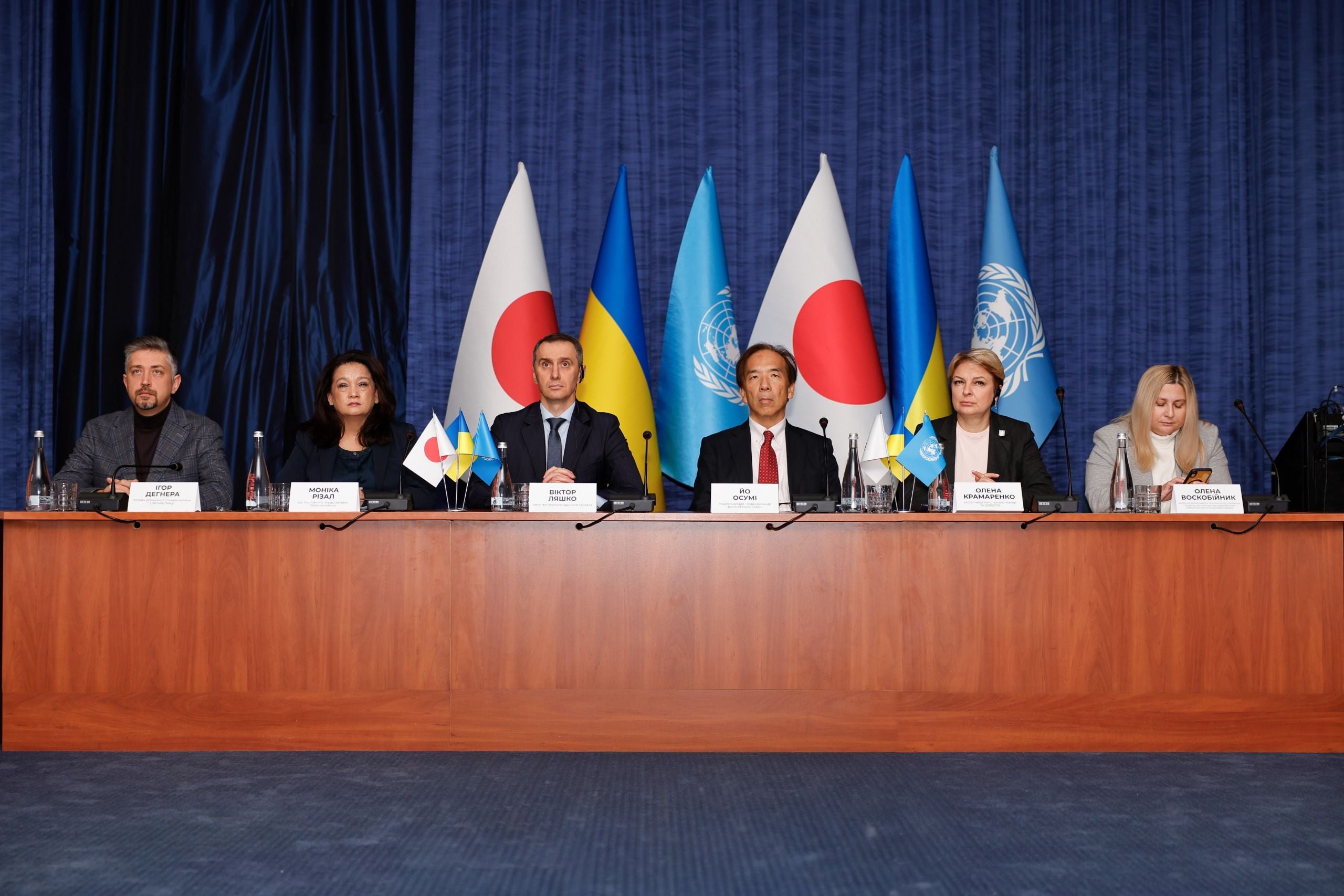


The United Nations Development Programme (UNDP) in Ukraine, with financial support from the Government of Japan and in cooperation with the Ministry of Health of Ukraine, has opened Ukraine’s first national asbestos detection laboratory in Kyiv. The laboratory is equipped with transmission electron microscopy equipment. This method makes it possible to detect and identify asbestos fibres, including very thin ones that are difficult to detect using optical microscopy.
According to the Fifth Rapid Damage and Needs Assessment (RDNA5), as of the end of 2025, the homes of more than three million households had been damaged or destroyed as a result of russian attacks. Some of these buildings were constructed before the ban on asbestos use and may pose a hazard. When such buildings are destroyed or dismantled, asbestos fibres can be released into the air and mixed with other demolition waste. This poses health risks, particularly for workers clearing rubble, sorting and processing construction waste.
“According to RDNA5, 14% of Ukraine’s housing stock has already been damaged or destroyed as a result of russian attacks. Some of these buildings were constructed before the ban on asbestos, and asbestos fibres can be released into the air when rubble is cleared. That is why communities need to know whether asbestos is present in the rubble before starting clearance work. The laboratory makes it possible to answer this question, helping protect workers and ensure safe decisions about waste management. It is also a step towards meeting European requirements for measuring asbestos in the air, and we are building this capacity in advance. I sincerely thank the Government of Japan and UNDP for their support.”
The new laboratory equipment makes it possible to examine the morphology, structure and elemental composition of individual fibres. The findings will help identify asbestos-containing materials, assess the associated risks, and make informed decisions on their safe dismantling, sorting, transportation and disposal. The research results will also help determine which other waste fractions can be safely recycled or reused in reconstruction.
H.E. Mr. Yo Osumi, Ambassador Extraordinary and Plenipotentiary of Japan to Ukraine, spoke about Japan’s experience in addressing asbestos-related risks following large-scale disasters:
“Japan understands the dangers of asbestos exposure during the recovery from large-scale destruction. Following devastating earthquakes, we improved our approaches to managing these risks and developed national guidelines to prevent the spread of asbestos during emergencies. These measures helped protect workers and monitor air quality after the 2011 earthquake. Today, Japan is sharing this experience with Ukraine by supporting the establishment of this laboratory and the introduction of national standards to protect the health of Ukrainians, both now and in the future.”
At the initial stage, the laboratory will examine materials collected as part of UNDP’s demolition waste management projects. Since the start of the full-scale invasion, UNDP, with support from international partners, has removed and sorted more than 1 million tonnes of demolition waste across eight regions of Ukraine. During these operations, more than 3,570 tonnes of hazardous waste, including asbestos-containing materials, were safely separated.
Monika Rizal, Deputy Resident Representative of UNDP in Ukraine, highlighted the importance of strengthening Ukraine’s capacity for safe and sustainable recovery:
“Ukraine’s recovery is not only about rebuilding infrastructure, but also about protecting people, reducing health risks and establishing the systems needed for long-term resilience. This laboratory gives Ukraine the capacity to identify hazardous materials, ensure the safe management of demolition waste and increase the reuse of construction materials. This will help communities rebuild faster, more safely and in line with international standards.”
Following its official opening, the laboratory will continue preparations for accreditation under the international standard ISO/IEC 17025. UNDP will also train its specialists.
Background information:
Asbestos is a carcinogenic material that was widely used in construction for decades, particularly in the production of slate roofing and insulation materials. Inhaling asbestos fibres poses a serious threat to human health and can cause diseases, including cancer. Ukraine banned the use of asbestos in October 2023.
According to estimates by the World Health Organization (WHO) and the International Labour Organization (ILO), occupational exposure to asbestos claims more than 200,000 lives worldwide each year. This accounts for more than 70% of all work-related deaths from cancer.
According to a UNDP study, as of September 2025, at least 17.2 million tonnes of waste from the destruction of residential buildings had accumulated in government-controlled territories of Ukraine. Of this amount, 11.7 million tonnes still required removal and processing, while up to 8.2 million tonnes could potentially be recycled and reused in reconstruction after proper sorting and contamination testing.